
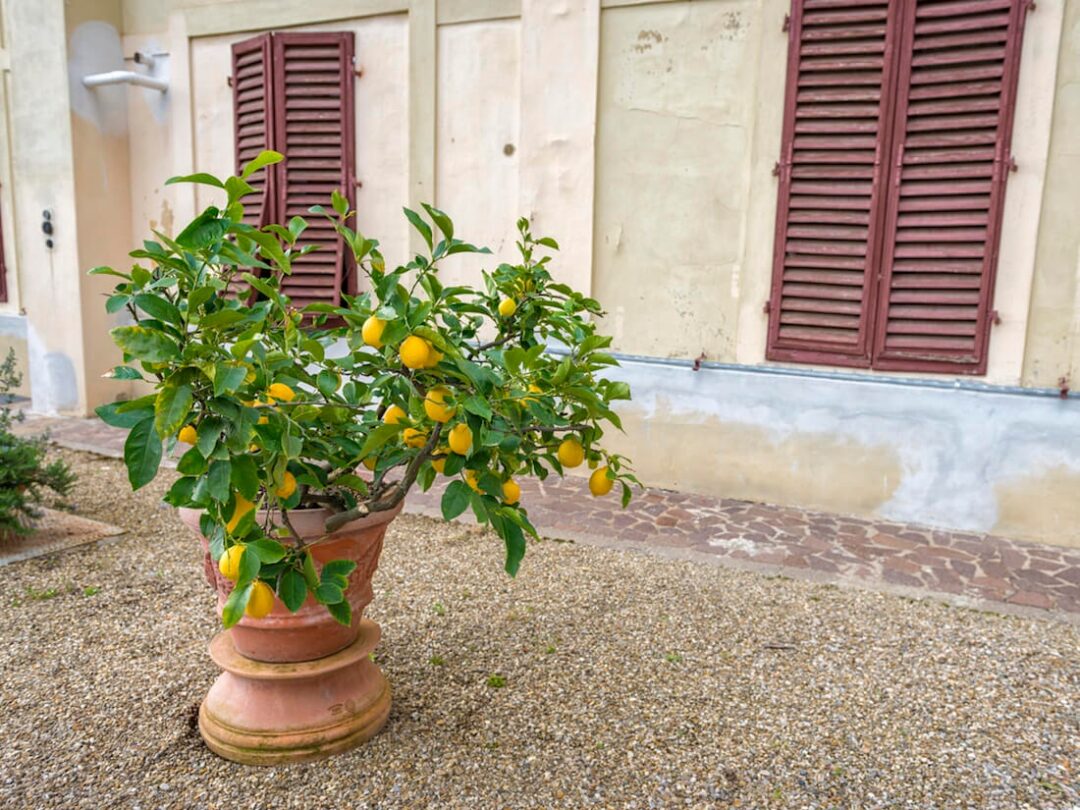
Citrus is one of the most versatile ingredients in the kitchen. A squeeze of lemon can brighten seafood, pasta, and roasted vegetables, while fresh lime juice adds balance to marinades, dressings, and cocktails. While many people assume citrus trees require large yards and warm climates, lemons and limes can actually thrive in pots, making them perfect for patios, balconies, and other small spaces.
Container citrus gardening has become increasingly popular because it allows people to grow fruit trees even in urban environments. With the right variety and care, a potted citrus tree can produce fruit for years.
Why Citrus Trees Grow Well in Containers
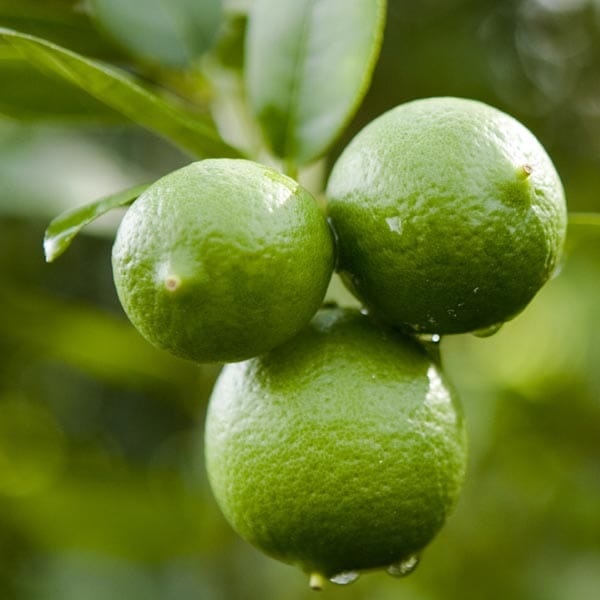
Citrus trees adapt surprisingly well to life in pots. Their relatively shallow root systems make them suitable for larger planters, and growing them this way allows gardeners to control key factors like soil quality, drainage, and sunlight exposure.
Another major advantage is mobility. Container citrus trees can be moved indoors or to sheltered areas during colder months, helping gardeners outside tropical climates keep their trees healthy year-round. For apartment dwellers or anyone with limited outdoor space, container citrus offers a practical way to grow your own fruit at home.
Best Lemon Trees for Containers
When choosing a lemon tree for a container, dwarf varieties typically produce the best results. These trees remain smaller while still producing flavorful fruit.
One of the most popular choices is the Meyer lemon tree. Meyer lemons are slightly sweeter than traditional lemons and are widely loved by home cooks for their versatility in baking, salad dressings, and sauces. These trees are naturally compact, making them an excellent choice for small-space gardens.
Another option is the Eureka lemon, which produces classic bright, tart lemons often used in cooking. Dwarf Eureka varieties are particularly well-suited to pots and can produce fruit multiple times throughout the year under the right conditions.
For gardeners who want something a little different, the Ponderosa lemon produces exceptionally large fruit along with highly fragrant blossoms. Despite the oversized lemons, the tree itself adapts well to life in a pot.
Best Lime Trees for Containers
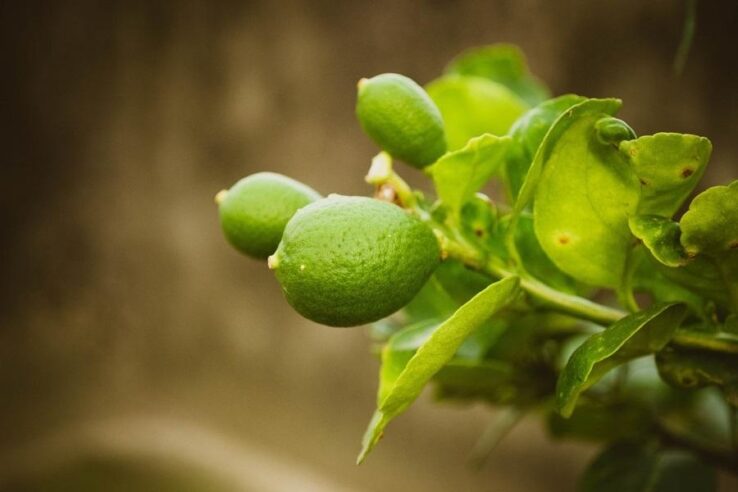
Source: uscitrusnursery.com
Lime trees are another great choice for gardeners and home cooks who enjoy adding tangy citrus flavor to their dishes.
The Key lime tree is one of the most popular choices for small-space growers. Known for its small, aromatic fruit, Key limes are widely used in desserts, beverages, and marinades. The tree itself stays somewhat condensed and thrives in pots with plenty of sunlight.
Another reliable option is the Persian lime tree, which produces the larger seedless limes commonly found in grocery stores. Persian lime trees are vigorous growers and can produce generous harvests when grown in well-draining pots.
For cooks who enjoy experimenting with global cuisine, the Makrut lime tree is valued not just for its fruit but also for its aromatic leaves, which are widely used in Southeast Asian cooking.
Basic Care for Container Citrus
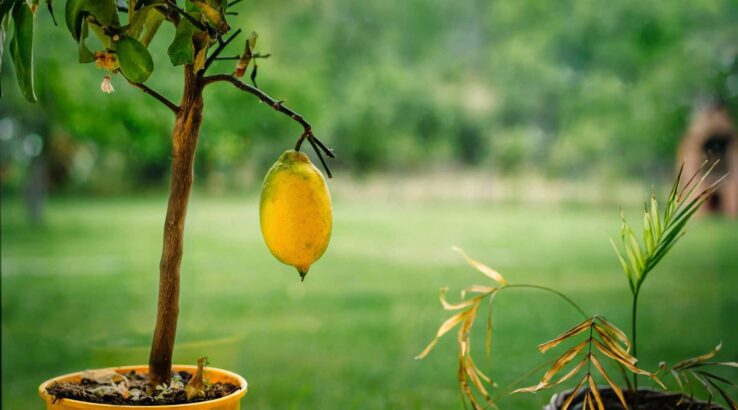
Source: bloomboxclub.com
Growing citrus trees in containers does require some attention, but the process is relatively straightforward.
Start with a container that has good drainage and enough room for root growth. Young citrus trees generally do well in pots that are at least 12–16 inches wide, and they may need to be repotted as they grow. Citrus trees also need plenty of light to produce fruit. Experts at the University of Florida IFAS Extension recommend giving citrus trees six to eight hours of direct sunlight per day, along with well-drained soil, to support healthy growth and fruit production.
Proper watering is also important. Citrus trees prefer soil that stays evenly moist but not soggy. Allowing the top layer of soil to dry slightly between waterings helps prevent root issues.
Choosing the right citrus variety is often the key to success for beginners, according to Noah Aguilar, owner of Everglades Farm, a nursery based in Homestead, Florida. Everglades Farm specializes in tropical fruit trees and helps gardeners find varieties suited to a range of climates and growing conditions.
“One mistake people make when planting citrus trees is choosing one that will eventually outgrow the pot,” Aguilar says. “Starting with a naturally compact variety like a Meyer lemon or Persian lime makes a big difference. When the tree is planted in a sturdy container with good drainage and receives plenty of sunlight, it can stay healthy and productive for years.”
The Joy of Growing Your Own Citrus
One of the biggest rewards of growing citrus at home is being able to pick fruit right when you need it. Freshly picked lemons and limes often have a sharper taste and aroma than store-bought varieties, making them perfect for everyday cooking and entertaining.
Whether you’re squeezing lemon over grilled fish, mixing lime juice into a cocktail, or adding zest to a favorite dessert recipe, a citrus tree can bring vibrant flavor right to your kitchen.